12 Best Places to Visit in Iceland — Complete 2026 Travel Guide
Iceland is not a destination you simply visit — it is a landscape that rearranges your sense of scale. Standing beside a calving glacier or watching a geyser erupt from the same earth that produced it ten thousand years ago, you realize the island operates by entirely different rules than the rest of Europe.
This guide skips the over hyped Instagram stops and tells you what real travelers in 2026 need to know: where to go, when to go, what it actually costs, and — crucially — what most travel articles won’t tell you. Iceland rewards curiosity and punishes rushing.
1. Reykjavík
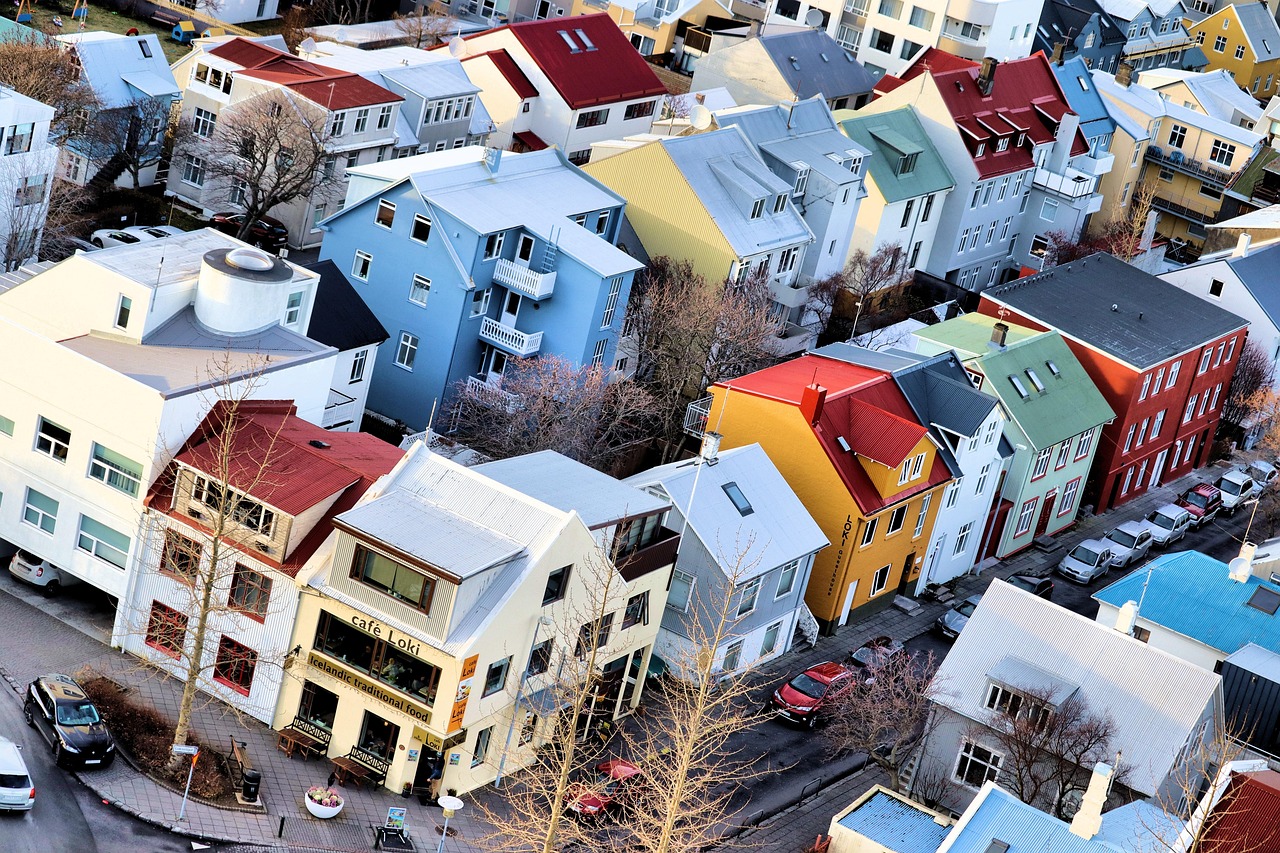
The world’s northernmost capital is also, quietly, one of its most extraordinary small cities. With just 130,000 people crammed onto a peninsula between the Atlantic and Mount Esja, Reykjavík punches so far above its weight in culture, cuisine, and sheer livability that it regularly makes visitors reconsider their entire life plan.
Start at Hallgrímskirkja — the rocket-ship church that dominates every skyline — and take the lift to the tower for panoramic views. Descend into Skólavörðustígur, the arterial street lined with galleries, bookshops, and independent cafés where locals actually drink their coffee. The Harpa Concert Hall on the waterfront is worth entering even if you’re not attending a performance — the honeycomb glass facade by Olafur Eliasson is one of the finest pieces of architectural design in Northern Europe. Walk north along the harbor to the Sun Voyager sculpture at dusk, then keep walking to find the old fishing boats and the city’s less-photographed western shore.
For food, Reykjavík has quietly become world-class. Dill (the original Nordic-Icelandic tasting menu institution), Matur og Drykkur (traditional Icelandic ingredients, contemporary treatment), and the new-wave small-plates scene along Austurstræti are all worth every króna.
The Thermal Pools Skip the Blue Lagoon for your first swim. The city’s public pools — Vesturbæjarlaug, Sundhöllin (recently renovated), and the huge Laugardalslaug — are where real Reykjavík life happens. The etiquette is simple: shower thoroughly before entering, the hot pots are for soaking and quiet conversation, and you will leave feeling genuinely reborn. Entry costs around ISK 1,000. The Reykjavík City Card (ISK 5,000–9,000 depending on duration) covers unlimited buses, pool entry, and several museums — if you plan to swim daily and hit two or more museums, it pays for itself quickly.
Northern Lights from the City On high-activity nights (KP 4+), the city dims certain streetlights. Best spots are Öskjuhlíð hill behind the Pearl, Grótta lighthouse on the Seltjarnarnes peninsula, and the coastal path north of Harpa. Download the Aurora Forecast app and set an alert for KP 3+.
Avoid driving into the city center if possible — parking is expensive and scarce. Use the park-and-ride facilities at Mjódd or Ártún and take the Strætó bus, which is efficient, cheap, and covers virtually the entire capital area.
Another great way to explore the city in comfort is with Hreyfill taxi company, they offer Reykjavík sightseeing tours where you can explore the city at your leisure.
2. The Golden Circle
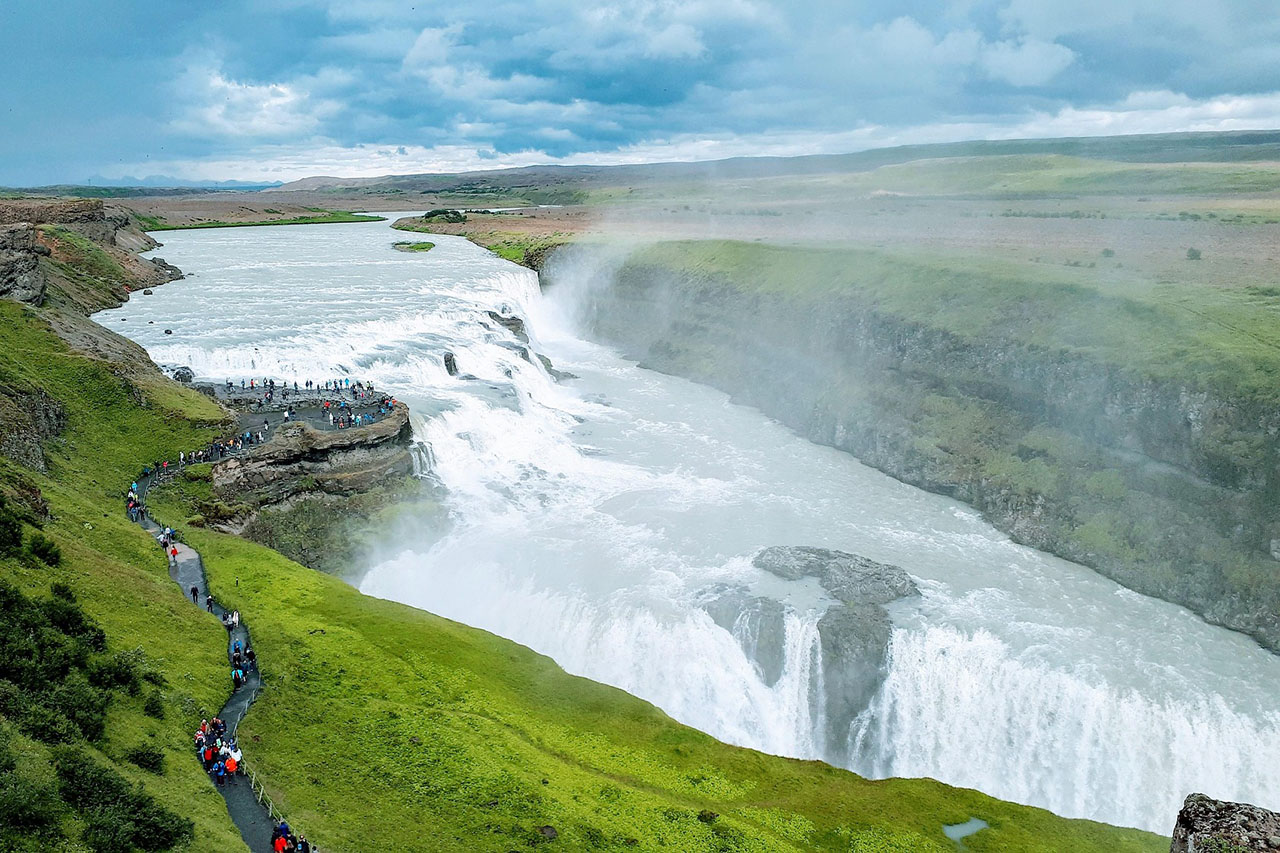
Within a single looping drive from Reykjavík, you can stand in a rift valley between two tectonic plates, watch a geyser erupt every five to ten minutes, and stare into one of Europe’s most powerful waterfalls. The fact that it’s well-touristed doesn’t diminish the geology or the scale — it just means you need to be strategic about timing.
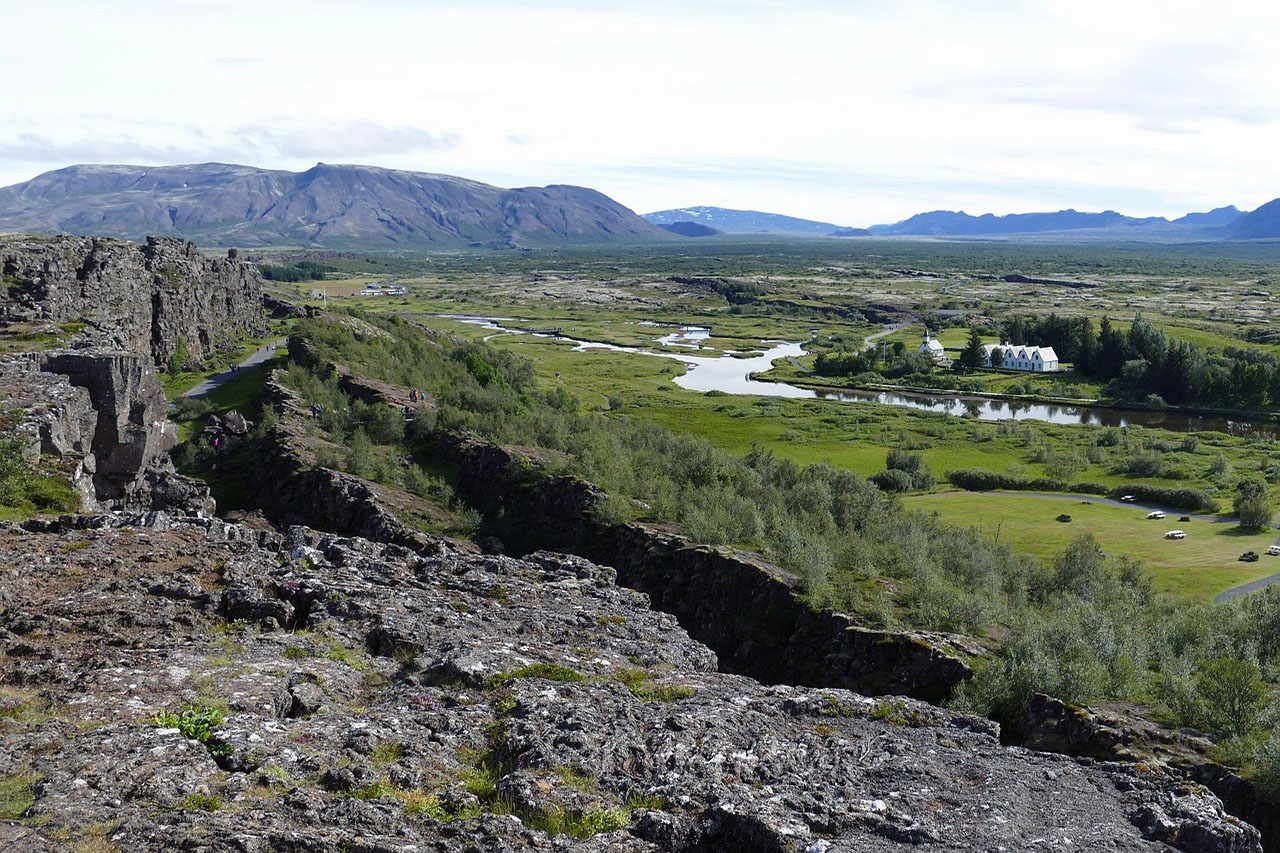
Þingvellir National Park A UNESCO World Heritage Site where the North American and Eurasian plates are visibly pulling apart at roughly 2cm per year. The Almannagjá rift is a walk between continents in ten paces. The site is also where the world’s first parliament, the Alþingi, was established in 930 AD. Go early or late to have the valley to yourself.
Geysir Hot Spring Area The original Geysir gave its name to every erupting hot spring on the planet and now mostly sleeps, but Strokkur beside it erupts reliably every 5–10 minutes, hurling boiling water 15–40 metres into the air. Watch from the upwind side. The surrounding hot spring field — bubbling mud pots, steaming vents, and the smell of sulphur — is otherworldly.
Gullfoss Descends in two stages into a canyon 32 metres deep. The upper viewing platform gives you the money shot; the lower path brings you close enough to feel the spray from 500 metres away. At peak flow in spring, it carries more water than the Thames.
The vast majority of Golden Circle tours start late morning and hit Þingvellir first, meaning the most crowded point at Geysir is noon to 2pm. Start at Gullfoss, then Geysir, then Þingvellir in reverse order — or leave before 8am. The difference in experience is staggering.
Two easy additions worth making: the Secret Lagoon (Gamla Laugin) at Flúðir is a natural geothermal pool with no Blue Lagoon frippery — just very hot water and local families. Kerið is a volcanic crater lake whose electric blue-green water sits against rust-red rock. A five-minute stop that somehow looks like Mars.
3. Jökulsárlón Glacier Lagoon
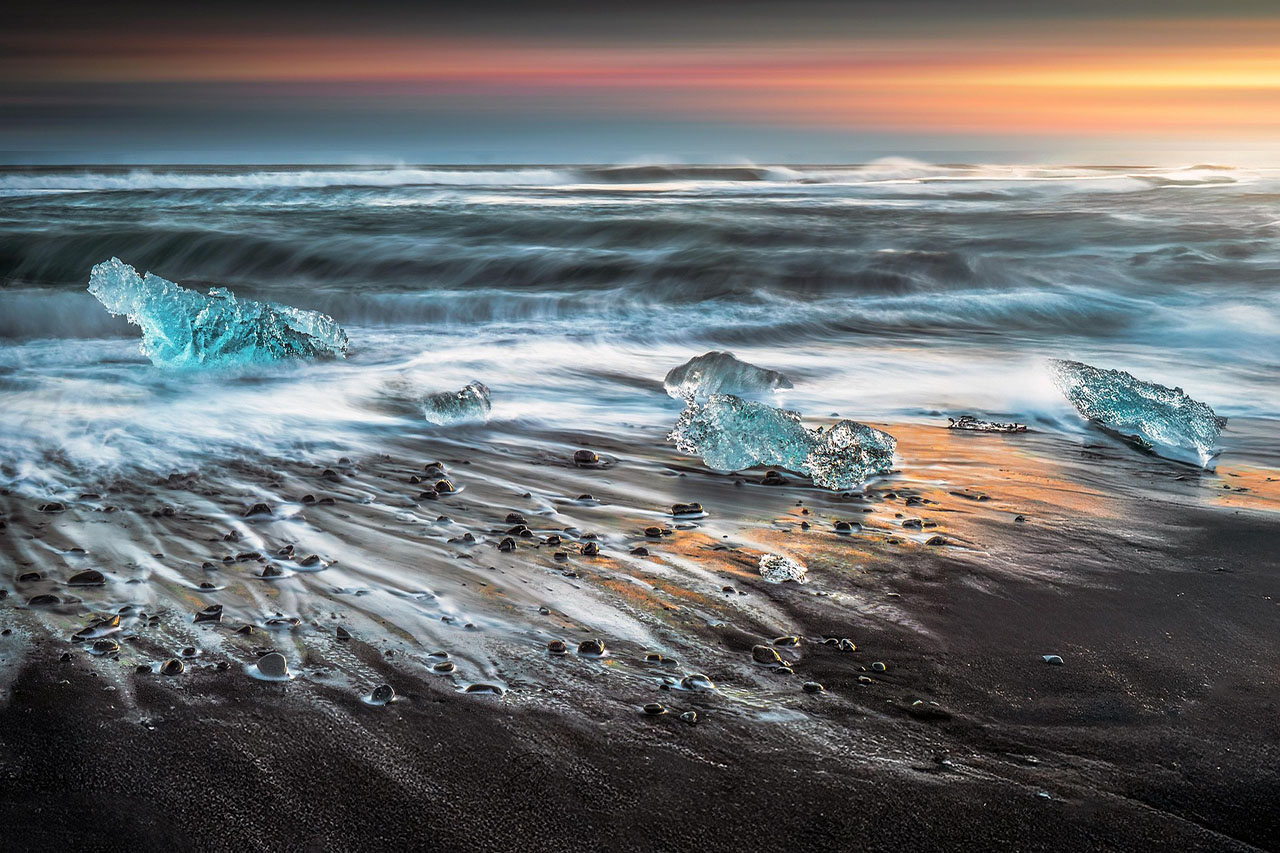
Arriving here for the first time is one of the most genuinely disorienting experiences in Iceland. Icebergs — some the size of houses, striped blue-white and translucent — float in absolute silence across a lagoon that barely existed sixty years ago. The glacier is retreating so rapidly that the lagoon has grown from 7km² in 1970 to over 78km² today. The beauty is inseparable from the loss, and that is what makes it unforgettable.
Walk the entire shoreline — it takes about 45 minutes and offers constantly shifting compositions. The tidal channel connecting the lagoon to the sea is narrow and dramatic: icebergs jostle through the gap and sometimes ground on the black sand beach on the ocean side. Seals haul themselves onto floating ice and regard tourists with total indifference.
Boat tours run from May to October — both amphibious vehicles and rigid inflatable Zodiac boats that get you among the icebergs. The Zodiac tours feel genuinely once-in-a-lifetime. Book ahead in summer; they sell out by 9am.
Diamond Beach Cross the road bridge and walk 300 meters to where icebergs that have drifted through the channel wash up on black volcanic sand and catch the light like diamonds. Most people spend ten minutes here. Spend two hours and you’ll witness the constant theater of ice shapes, light angles, and the occasional wave sending a berg tumbling. Dawn and dusk are extraordinary.
Stay overnight at the Fosshotel Glacier Lagoon or guesthouses at Höfn, 45 minutes east. The lagoon at midnight in June — when the sun never fully sets — is an entirely different, more private spectacle than the midday rush.
Never climb on icebergs. Several tourists have been seriously injured when unstable ice rolls or breaks. The sneaker wave warning signs at Diamond Beach are real — waves arrive without warning and have pulled people into the sea. Stay well back from the waterline when the ocean is rough.
4. Snæfellsnes Peninsula
Jules Verne sent his characters into the earth through the Snæfellsjökull volcano. Halldór Laxness, Iceland’s Nobel laureate, set his masterwork on this peninsula. There is something genuinely otherworldly about this 90km arm of land jutting into the Atlantic — a concentration of lava fields, sea cliffs, black beaches, fishing villages, and a glacier-capped stratovolcano presiding over it all.
Snæfellsjökull National Park The glacier walk is best done with a guided tour from Arnarstapi. The park also encompasses remarkable coastal geology: the Djúpalónssandur black pebble beach with its testing stones (local fishermen once used them to assess a man’s strength for crew selection), and the Rauðfeldsgjá gorge, which requires squeezing between rock walls to discover a hidden waterfall inside.
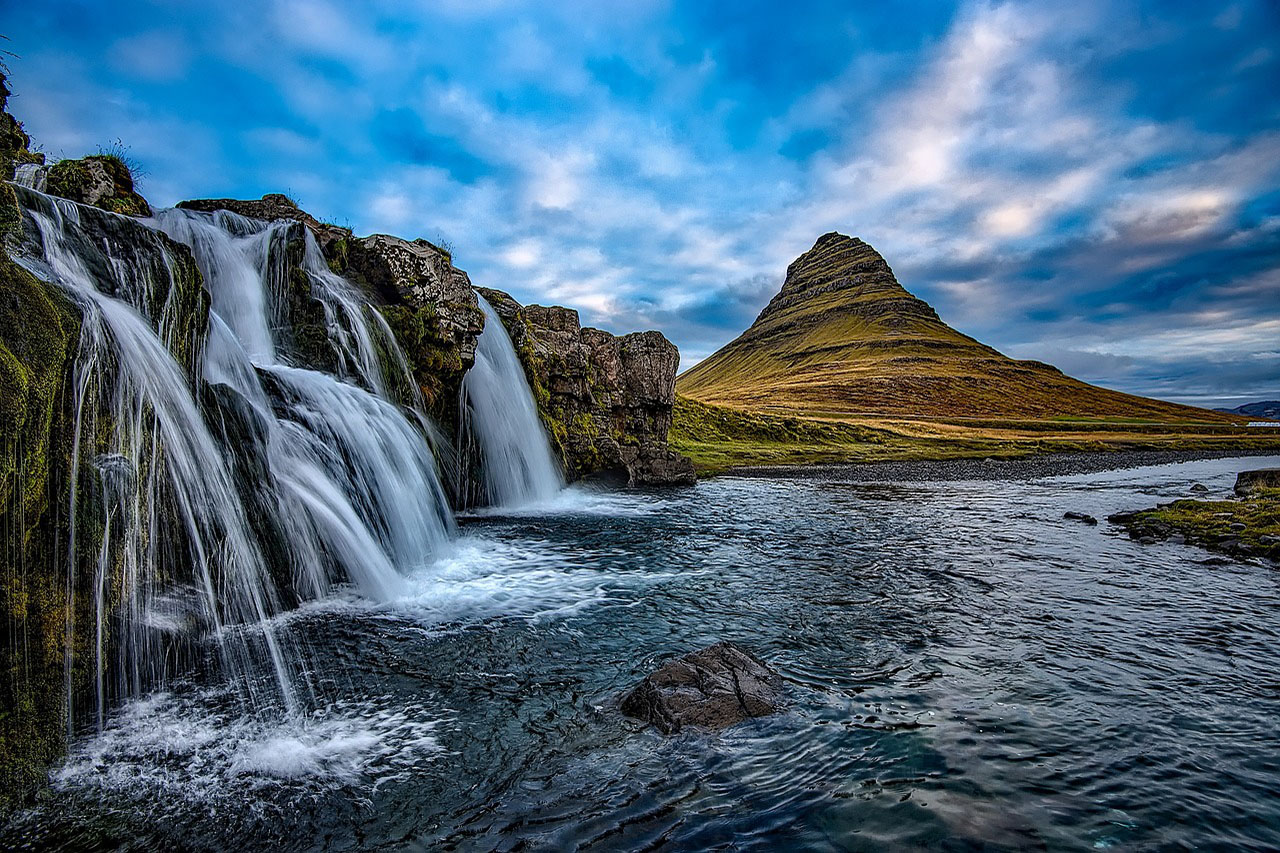
Kirkjufell and the North Shore Kirkjufell near Grundarfjörður — the arrow-shaped mountain that is Iceland’s most photographed landmark and appeared in Game of Thrones — is genuinely beautiful and worth the stop. But continue to Ólafsvík and Hellissandur, the quiet fishing villages where you can eat fresh fish and walk the harbour without another tourist in sight. The north shore in low light has a quality of desolate beauty found nowhere else on the Ring Road circuit.
The Snæfellsbær region has very limited accommodation. Book at least 6–8 weeks ahead for summer visits. The guesthouses in tiny Arnarstapi and Hellnar at the glacier’s foot are worth the premium for their position at the edge of the world.
5. The Westfjords
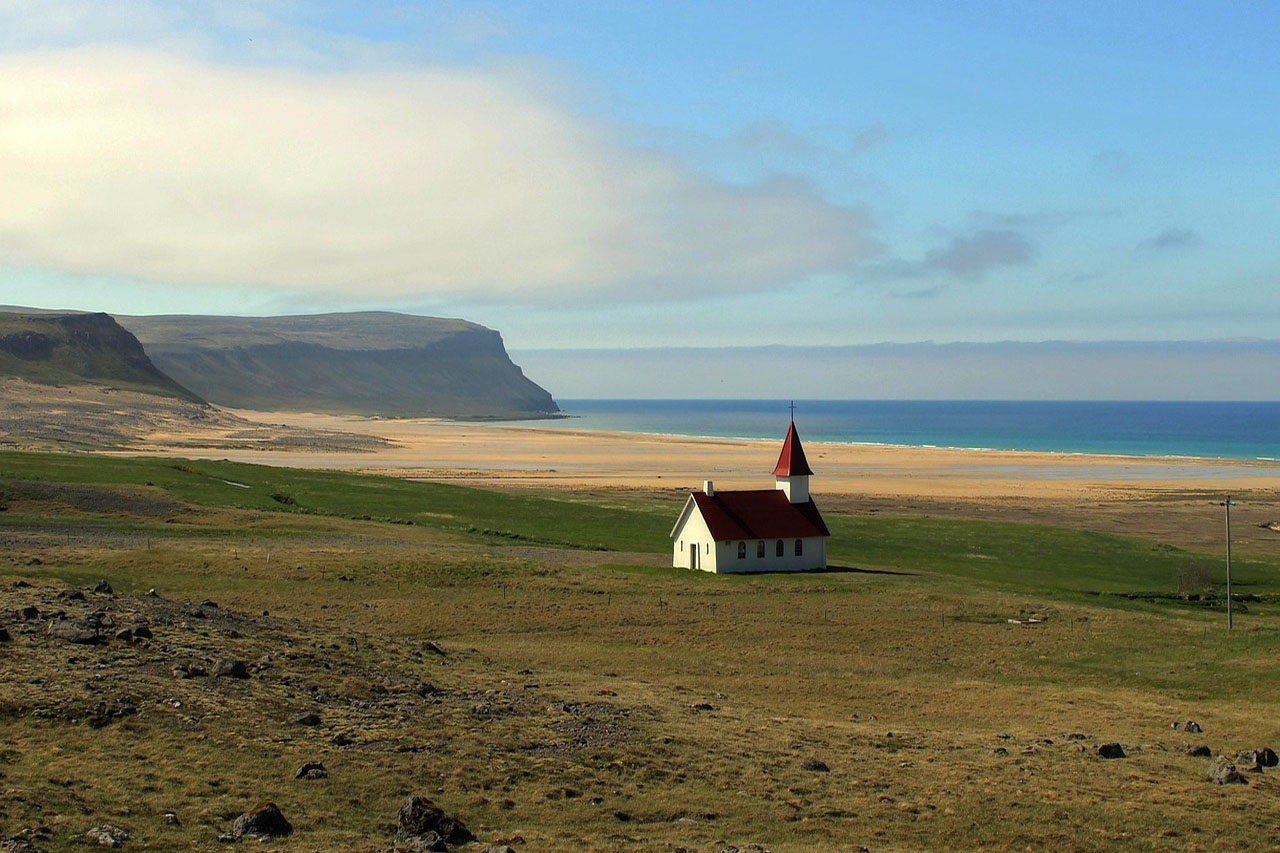
The Westfjords is the Iceland that most people never find. Carved by glaciers into the most deeply fjorded coastline in the country, connected by roads that cling to cliffsides and frequently turn to gravel, receiving fewer visitors per year than Þingvellir receives on a busy weekend — this is Iceland of pure, unmediated wilderness.
Látrabjarg — Europe’s Greatest Birdcliff Látrabjarg stretches 14km along the Atlantic and rises to 440 metres. It hosts millions of seabirds including the majority of the world’s razorbill population and — most famously — puffins so unafraid of humans that they will walk up to your feet and investigate your shoelaces. Between June and August, the cliff face is alive with wings and calls and the smell of the open sea. It is one of the finest wildlife experiences in the Northern Hemisphere.
Dynjandi Waterfall The cascade fans out as it falls 100 metres in the shape of a bridal veil, then descends through a series of smaller falls before reaching the fjord. The 15-minute walk uphill to the base is mandatory. A small camping area sits at the base — one of Iceland’s finest wild camping spots.
Ísafjörður The region’s main hub — 2,600 people tucked inside a fjord so deep and narrow the sun barely reaches it in winter. Old colourful timber and corrugated iron buildings, a thriving local food scene built on fresh halibut and lamb, and the town’s almost ludicrous pride in its own isolation make it a deeply appealing place to stay for several nights.
Roads in the Westfjords are often deeply rutted gravel. Hire a 4WD vehicle minimum. Several fjord-to-fjord routes look short on a map but take 2–3 hours due to road conditions. Always check road.is before setting out. Phone coverage disappears entirely in several sections — always tell someone your plans before heading out.
6. Lake Mývatn
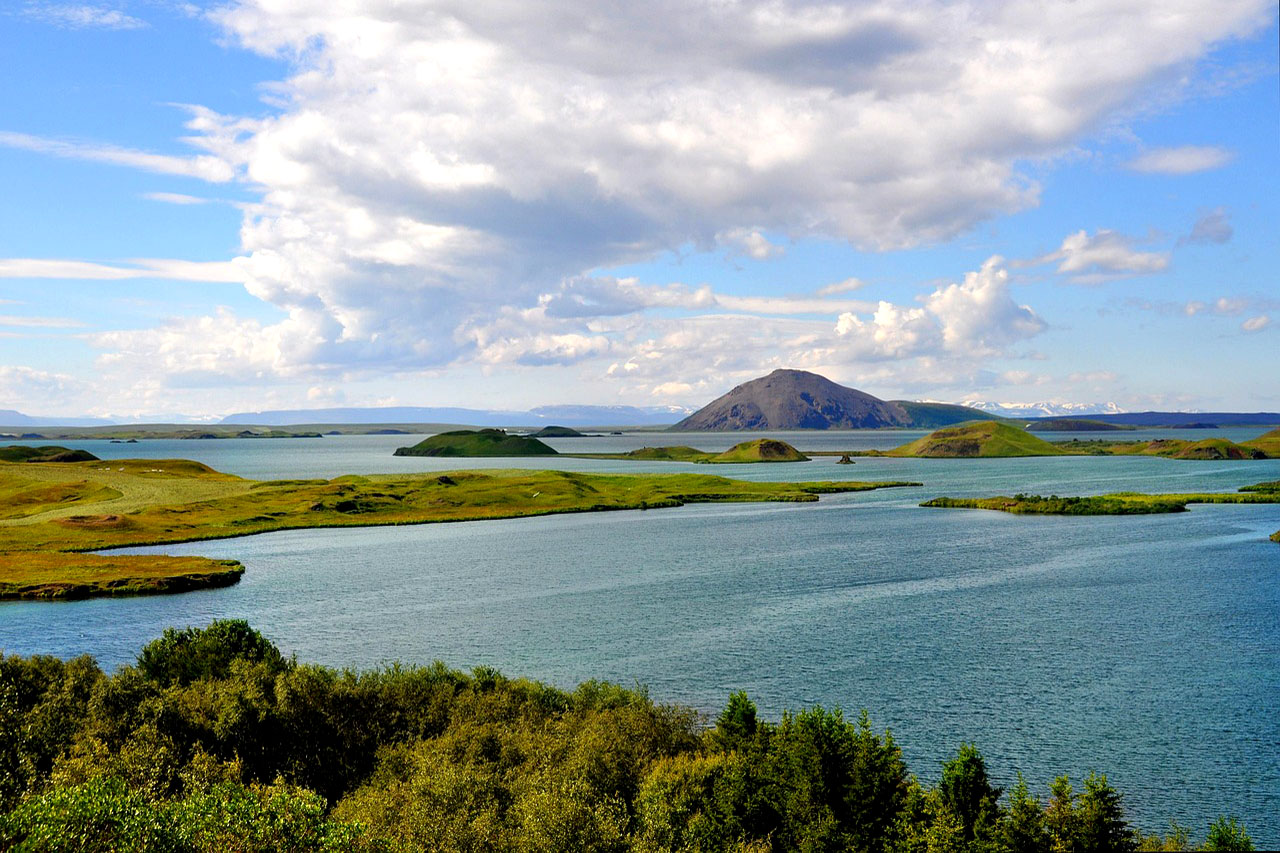
Mývatn earns its name with a summer insect hatch that makes head nets non-optional from mid-July. But endure the midges (or visit in early June before the hatch) and you get what many geologists consider the most concentrated area of volcanic features on Earth’s surface.
The Volcanic Landscape Within 30 minutes of the lake: stand inside the Hverfjall tephra crater (45-minute walk around the rim with staggering views); enter the Grjótagjá lava cave with its now-too-hot spring (famous Game of Thrones location); and pick your way through Dimmuborgir — the “dark castles,” a lava field of sculpted towers and arches formed 2,300 years ago when lava drained from beneath a hardened crust. It looks like nowhere else on the planet.
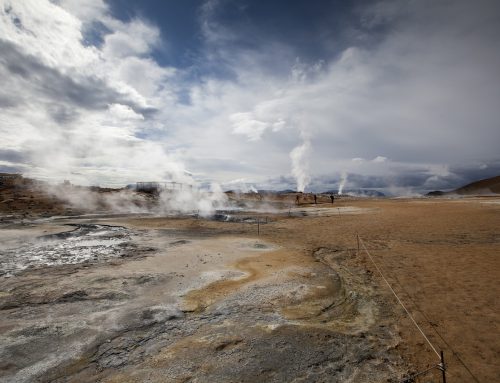
The Námaskarð geothermal area just east of the lake is perhaps the most alien landscape in Iceland: bubbling mud pots, sulphur-crusted fumaroles, and boiling vents as far as you can see, the ground hissing under your feet. Go early morning when steam conditions are at their most dramatic.
Mývatn Nature Baths The Nature Baths offer the geothermal pool experience with a fraction of the Blue Lagoon crowds and a more genuine, local atmosphere. The water is a milky, mineral-rich blue. The setting is dramatic. Costs are roughly half what you’d pay at the Blue Lagoon. This is the pool that delivers on the promise.
The lake hosts more species of nesting ducks than almost anywhere in the world. Bring binoculars — Barrow’s goldeneye, harlequin duck, and Slavonian grebe all breed here. The Sigurgeir’s Bird Museum beside the lake can help you identify what you’re seeing.
7. Akureyri
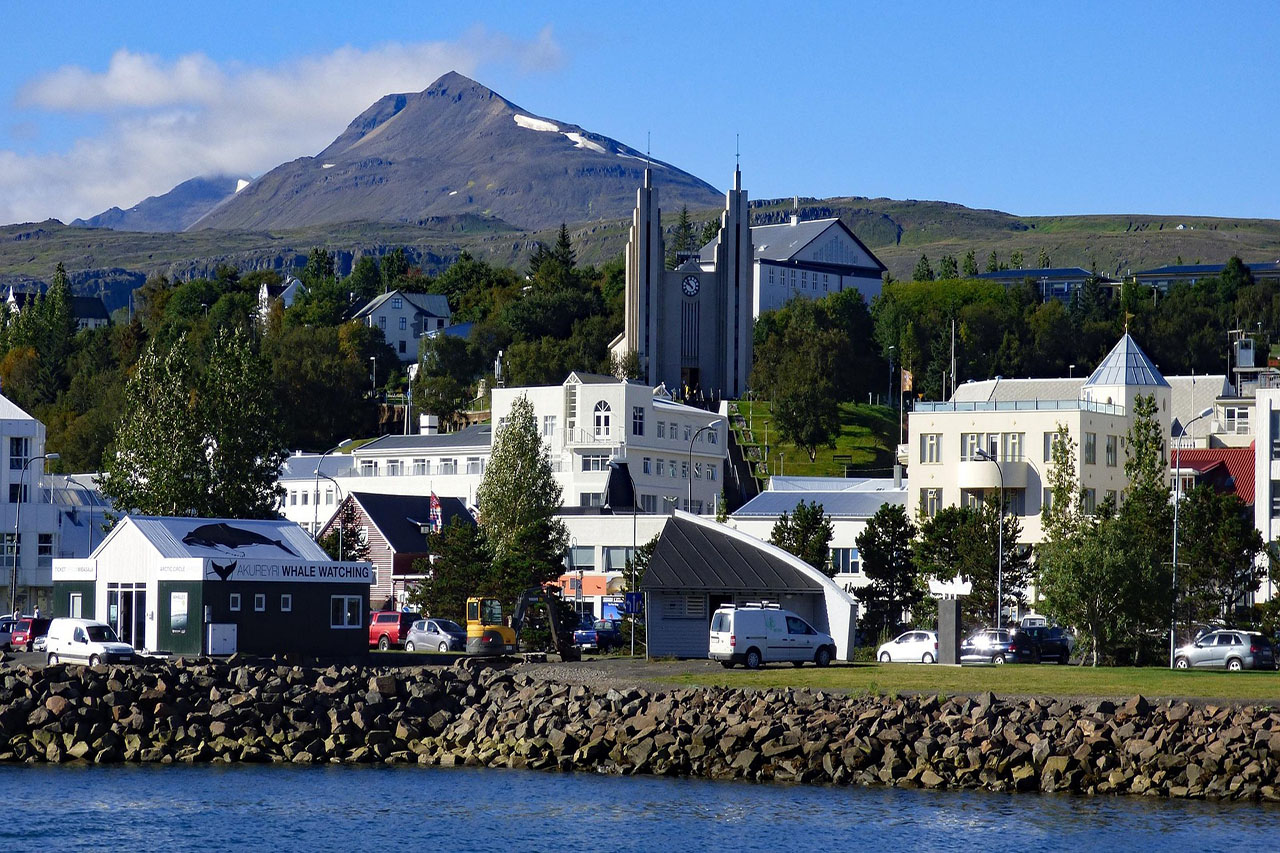
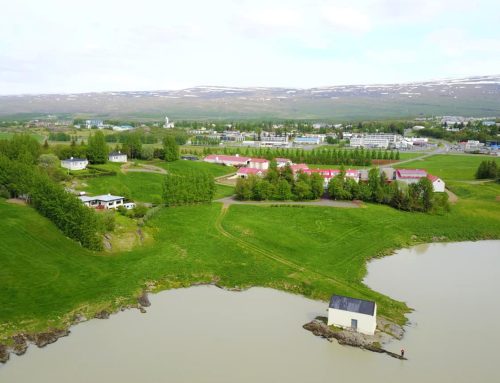
Iceland’s second city has just 20,000 people but feels like a real, lived-in urban place in a way that tourist-saturated Reykjavík sometimes struggles to. Set at the head of the Eyjafjörður — Iceland’s longest fjord — with mountains on three sides and a cultural life that punches wildly above its population.
Hafnarstræti is lined with independent restaurants and the famous red heart-shaped traffic lights (a mental health initiative that simply stuck). The Botanical Garden — the most northerly in the world at 65°N — blooms remarkably in summer. Akureyrarkirkja dominates the hillside with an interior holding a chandelier salvaged from Coventry Cathedral.
Whale Watching Húsavík, 90 minutes east, is Iceland’s whale watching capital — humpbacks, minkes, and occasionally blue whales from May through October, with some of the highest success rates in the world. But Akureyri also offers daily fjord whale watching with minkes frequently spotted and dolphins common, with significantly fewer crowds than the south coast alternatives.
Hlíðarfjall Ski Resort In winter, the Hlíðarfjall ski area just outside the city is a revelation: consistent snow, significant vertical drop, lift queues that essentially don’t exist, and Northern Lights hunting from the slopes in the evenings. A genuinely unique winter sports destination.
Akureyri airport connects directly to Reykjavík’s domestic airport and to some European destinations seasonally — useful for smart one-way Ring Road itineraries where you fly into one end and drive to the other. Also worth knowing: the city bus is free.
8. The Icelandic Highlands
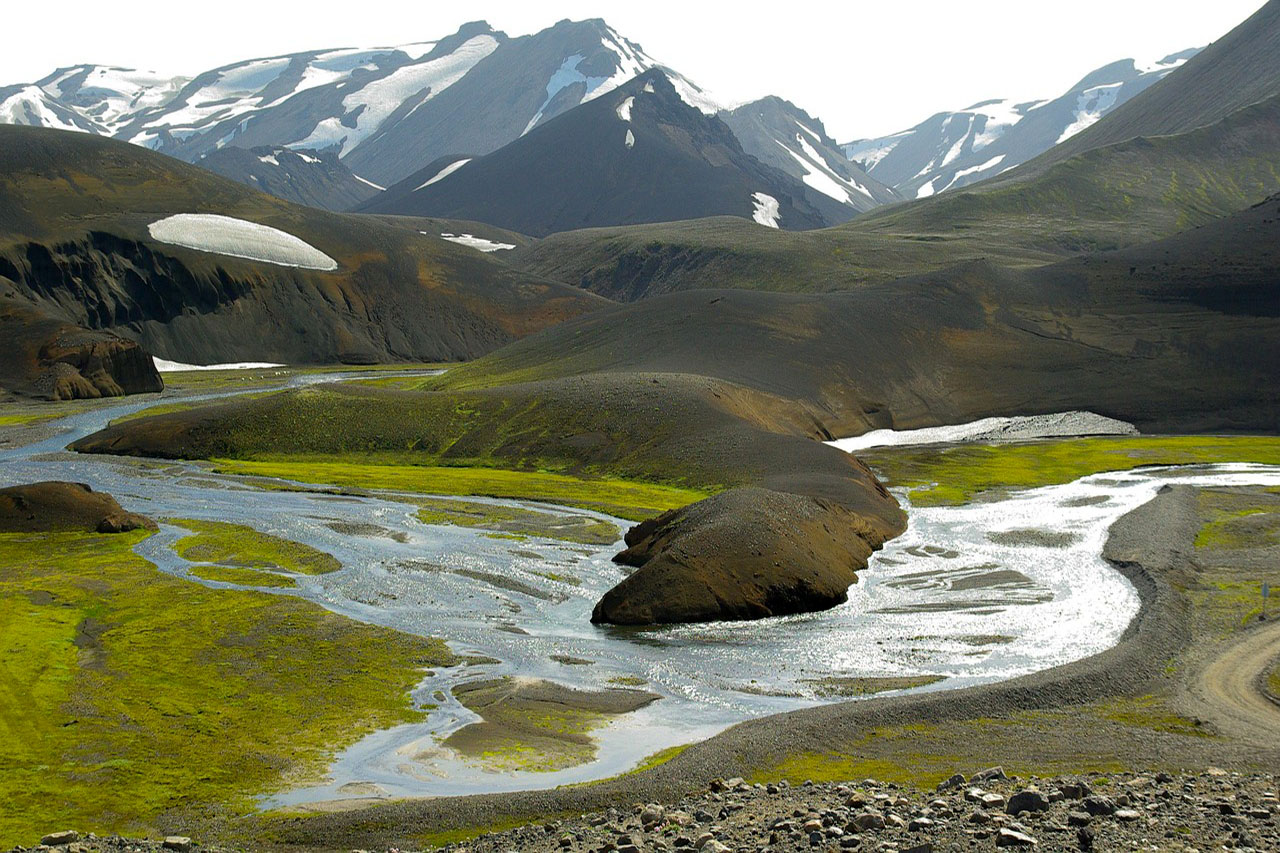
The highlands — Hálendið — occupy the vast central plateau of Iceland: no trees, no settlements, no Ring Road. Just lunar lava fields, active volcanic systems, braided glacial rivers, and a silence so complete it becomes its own presence. This is the Iceland that requires effort and rewards it exponentially.
Landmannalaugar and the Laugavegur Trail Landmannalaugar is the start of the Laugavegur Trail — widely considered one of the finest multi-day hikes on Earth. The 55km trail (4 days, 3 nights in mountain huts) passes through rhyolite mountains striped in rust, green, purple, and gold; obsidian lava fields; geothermal areas; and high passes with views to the coast. Hut bookings open in October and sell out in days. Camping with your own gear is permitted along the trail if you miss huts.
The Landmannalaugar hot spring itself — a geothermal river meeting a lava flow — is magnificent regardless of whether you’re trekking. You can soak in water that varies from cold to scalding within a few metres, surrounded by multi-coloured peaks.
Askja Caldera and Víti The Askja caldera involves a serious F-road drive — roughly 4–5 hours each way from the nearest Ring Road point — but delivers something genuinely Mars-like: a caldera lake of startling blue-grey, and the smaller Víti crater filled with warm, milky geothermal water you can swim in. The 1961 NASA Apollo astronauts trained here to prepare for walking on the lunar surface.
F-roads are legally restricted to registered 4WD vehicles with high clearance. River crossings are common and can be impassable after rainfall. Never cross a highland river in a standard rental car. Check vedur.is and road.is daily. Register your itinerary at safetravel.is and tell someone your expected return time before heading into the interior.
9. Skaftafell & Vatnajökull
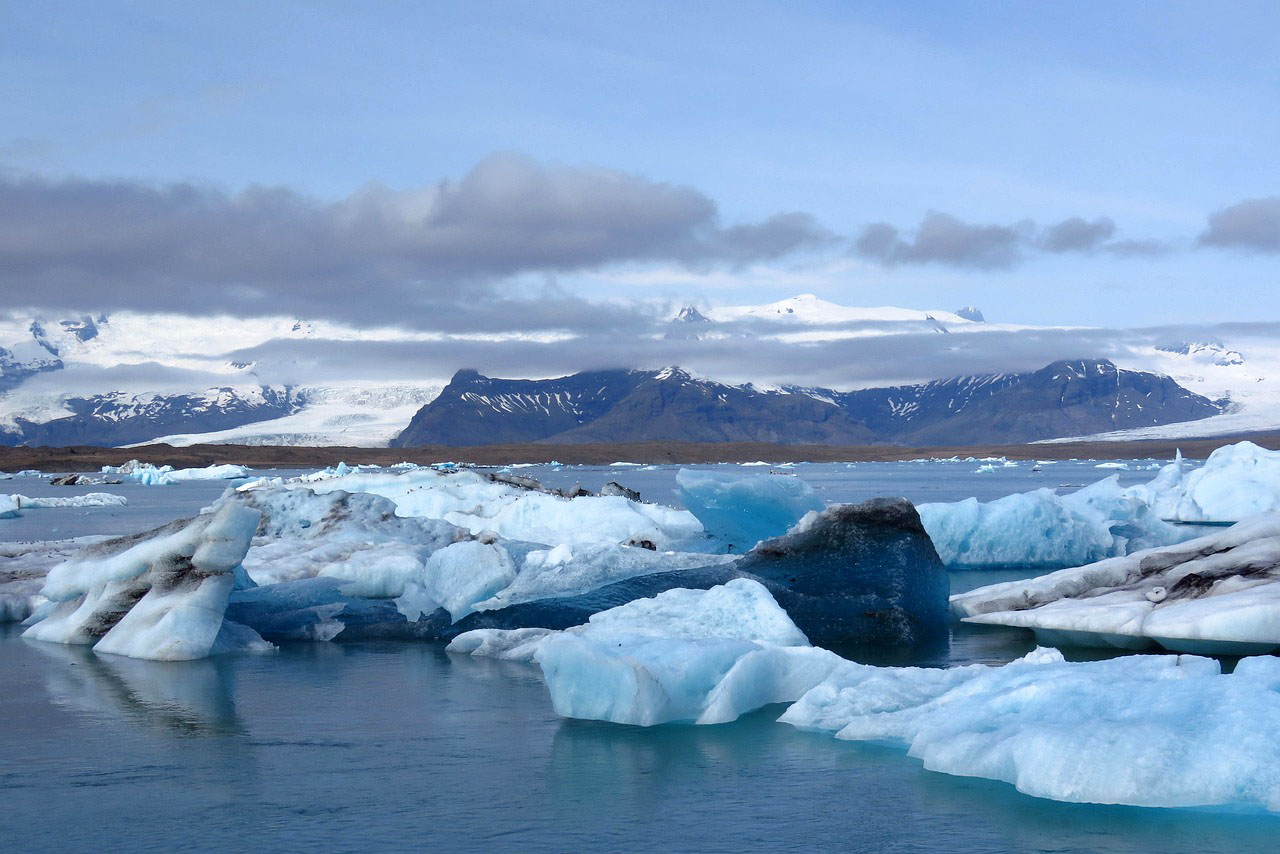
Vatnajökull is the largest glacier in Europe outside the poles, and the anchor of a national park covering 13% of Iceland’s entire land area. The glaciers flowing from its ice cap are accessible, ancient, and diminishing — there has never been a more compelling or more urgent time to see them.
Skaftafell Nature Reserve The walk to Svartifoss — the “Black Waterfall” framed by striking basalt columns that directly inspired the design of Hallgrímskirkja — is 45 minutes each way and absolutely worth every step. From the viewpoint above, you can simultaneously see glacier tongues, floodplains, and the coast. The Skaftafellsjökull glacier tongue is a short walk from the car park for a close encounter with blue ice, crevasses, and moraines.
Glacier Hiking Guided glacier hikes onto Falljökull or Svínafellsjökull are available year-round, with ice axes, crampons, and guides provided. The three-hour introductory hike is accessible to anyone in reasonable physical condition. Full-day and multi-day expeditions onto the main ice cap are offered for serious climbers.
Blue Ice Caves Between November and March, glacier interiors freeze sufficiently for guided cave tours. The caves illuminate in extraordinary shades of deep sapphire and turquoise as light filters through ancient ice. New formations are discovered each winter. Book months in advance — the combination of limited access windows and massive demand creates instant sell-outs every season.
Stay in Höfn, 30 minutes from Jökulsárlón — a genuine fishing town famous for its langoustine. The annual Humarhátíð (Lobster Festival) in late June to early July offers fresh langoustine at every restaurant, live music, and extremely good local atmosphere. One of Iceland’s best small-town experiences.
10. The South Coast
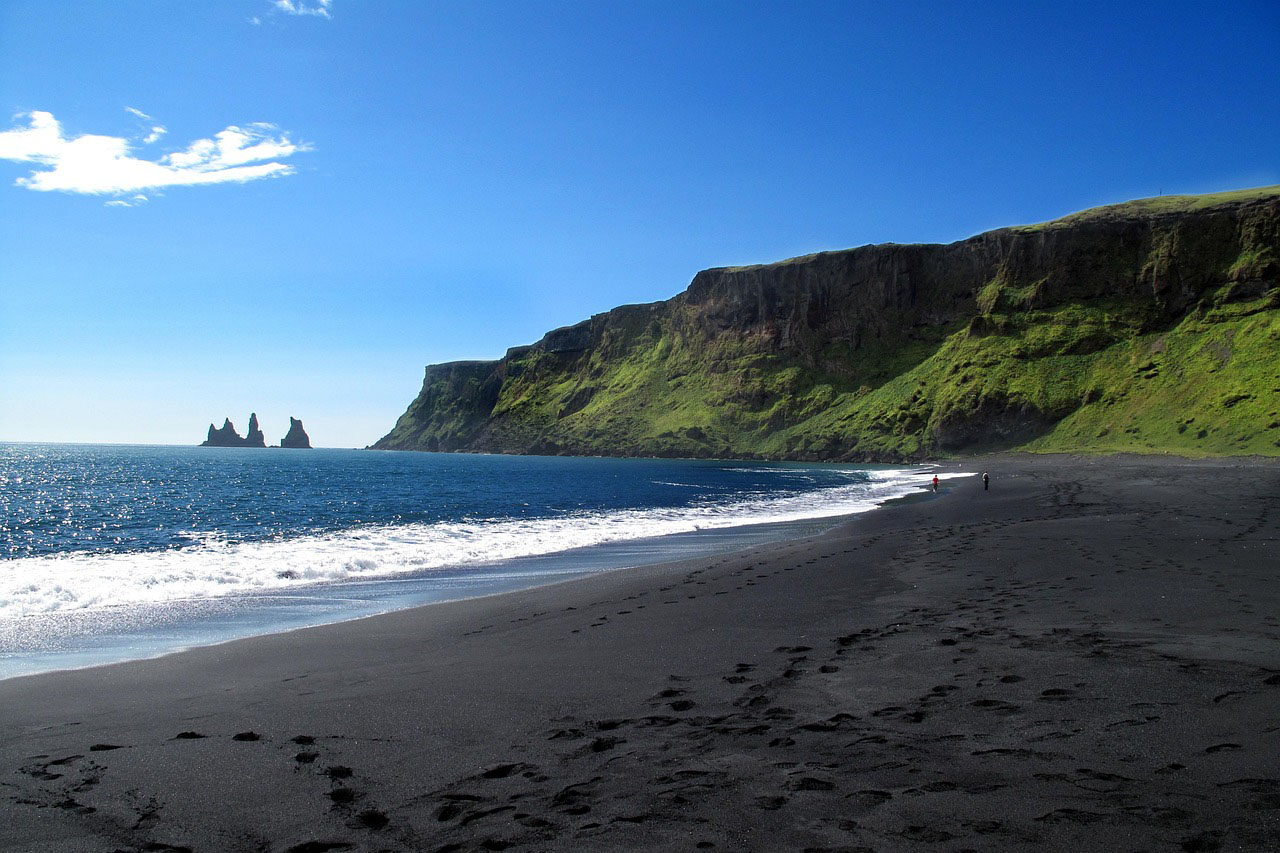
The south coast drive is Iceland’s greatest hits collection strung along a single road — and unlike most greatest hits, every track is genuine. Towering waterfalls, glaciers visible from the highway, dramatic sea stacks, a beach that looks designed by a cinematographer, and a volcanic plain that still smoulders.
Seljalandsfoss and Skógafoss Seljalandsfoss is the waterfall you walk behind — a 60-metre curtain with a slippery path worn behind it giving a view straight through the falls to the valley. Fifty metres north, the smaller Gljúfrabúi hides inside a canyon that requires wading a stream to enter — most people miss it entirely, and it is arguably more spectacular. Skógafoss, 30km east, falls 60 metres in a single unobstructed curtain. The staircase to the right rewards a 370-step climb with a view of the entire coastal plain.
Vík and Reynisfjara Black Beach The village of Vík sits beneath Mýrdalsjökull glacier, above which lies Katla — Iceland’s most dangerous active volcano, long overdue for eruption. Three kilometres west, Reynisfjara is the black sand beach with basalt column formations and the Reynisdrangar sea stacks offshore. It is genuinely magnificent — and genuinely dangerous. The waves here kill people every few years. Stay well back from the waterline at all times. The sneaker wave warning signs are not scenic props.
Tour buses hit Seljalandsfoss in waves because they all leave Reykjavík at roughly the same time. Be at the waterfall before 9am or after 6pm and you’ll often have it nearly to yourself. The evening light and the rainbow it generates in summer is one of Iceland’s genuinely great photographic moments.
11. Reykjanes Peninsula
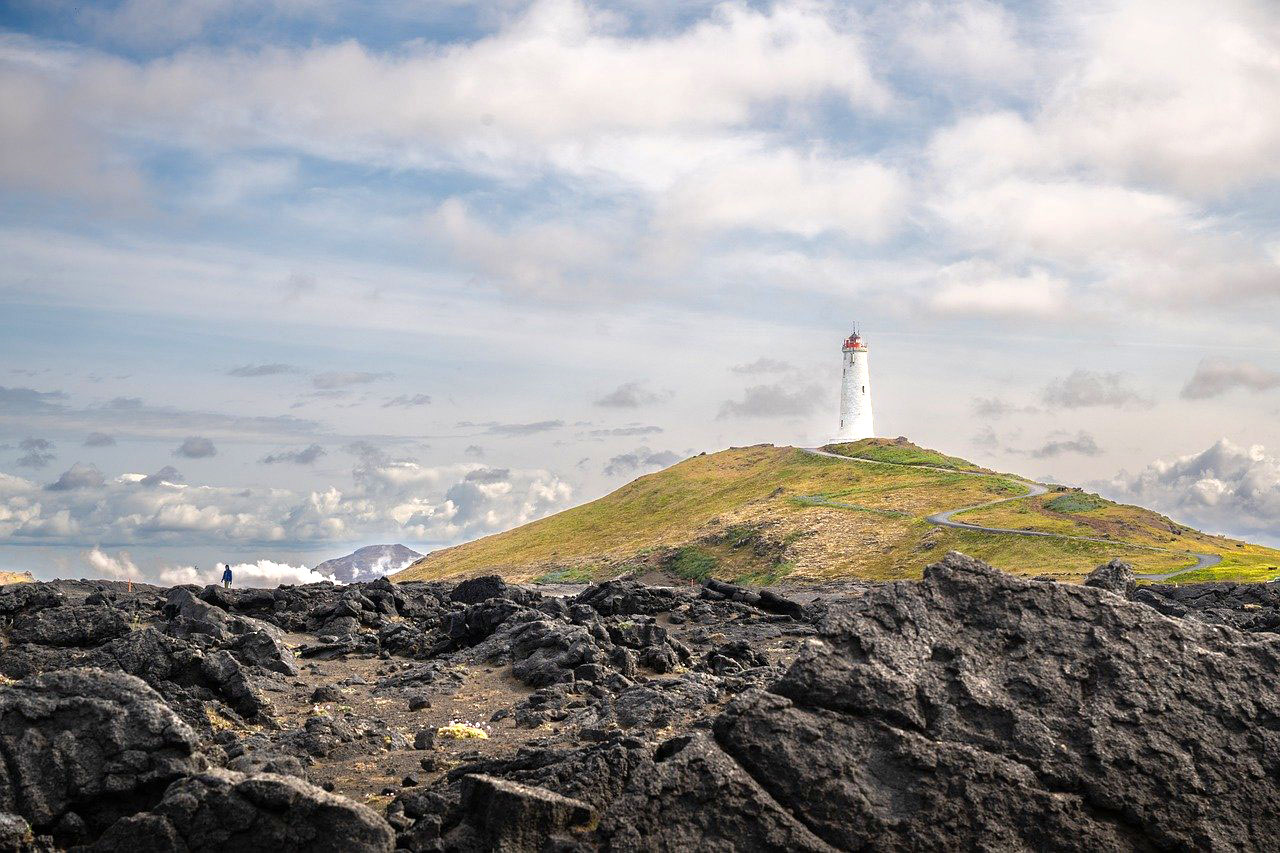
The Reykjanes Peninsula has been fundamentally rewritten since 2021, when the Svartsengi volcanic system reawakened after 800 years of dormancy. Multiple eruptions since March 2024 have added fresh lava fields and transformed this peninsula into one of the most active volcanic landscapes accessible to tourists anywhere on Earth.
Active Volcano Watching — 2026 Status The eruption cycles at Sundhnúkagígur have been broadly predictable. The infrastructure for safely viewing eruptions has matured considerably: authorities designate viewing areas, provide real-time gas monitoring data, and maintain evacuation routes. When conditions are safe, the experience of watching flowing lava just kilometres from a major international airport is genuinely surreal. Always check vedur.is and safetravel.is for the very latest access information before visiting any eruption site.
The Blue Lagoon — Honest Assessment The Blue Lagoon remains Iceland’s most visited attraction. The silica-rich geothermal water is legitimately good for skin, and recent upgrades have improved the facilities. But it’s also expensive (ISK 12,000–20,000+), heavily managed, and feels more like a spa resort than authentic Iceland. Worth doing once — best booked for arrival day when you’re too jet-lagged to appreciate anything more demanding.
Beyond the Blue Lagoon The peninsula mostly bypassed by tourists has real rewards: the Reykjanesviti lighthouse above dramatic coastal cliffs at the very tip of the peninsula; the Bridge Between Continents footbridge over a genuine rift; the Gunnuhver violently boiling mud pool system with boardwalks. The village of Grindavík, slowly rebuilding its fishing community identity after the 2024 evacuations, deserves your support.
The volcanic situation on Reykjanes remains dynamic as of 2026. Do not approach lava flows outside designated safe areas. Volcanic gas — SO₂ and CO₂ — can accumulate in low-lying areas without warning. Anyone with respiratory conditions should exercise particular caution. Follow official guidance absolutely.
12. The East Fjords
The east is the most overlooked region on the Ring Road. The fjords are deeper and more irregular than the west, the light is softer and more golden, the towns are smaller and less oriented toward tourism, and the sense of being somewhere genuinely off the main tourist circuit is palpable.
Seyðisfjörður Reached by a dramatic mountain pass from Egilsstaðir, this is easily the most visually arresting town in the east: colourful wooden buildings reflected in the fjord, a thriving arts community centred on the LungA Art Festival in July, and the ferry terminal for the weekly Smyril Line service to the Faroe Islands and Denmark. It feels genuinely alive with creative energy in a way that surprises every visitor.
Egilsstaðir and the Lagarfljót Region The service hub town is surrounded by Iceland’s largest forest at Hallormsstaðarskógur — birch and larch and walking trails through real woodland, almost surreal in a country so famously treeless. The Lagarfljót lake nearby carries Iceland’s own lake monster legend (the Lagarfljótsormurinn), and the bird life along its shores is exceptional.
Reindeer and the Quiet Coast Iceland’s free-roaming reindeer herd of approximately 7,000 animals is concentrated in the east — descendants of Norwegian animals introduced in the 18th century. Spotting them on highland slopes above the fjords in early morning is a genuine delight. The coastal road south toward Höfn winds through some of the loneliest, most beautiful fjord scenery in the country.
Petra’s Stone Collection in Stöðvarfjörður is one of Iceland’s stranger, more wonderful attractions — a private home and garden where a woman spent 80 years collecting every unusual rock and mineral she found in the fjords. The collection now occupies multiple rooms and the entire garden. Genuinely unmissable if you’re passing through.
Djúpivogur to the south is a quiet fishing village where the art installation Eggin í Gleðivík — oversized stone eggs representing 34 local bird species, placed along the harbour — is oddly moving in the evening light. No crowds, no tour buses. Just eggs and fjord and sky.
When to Visit
Winter (November–February) is dark, cold, and dramatic. Best chance of Northern Lights. Ice cave season in full swing. Many highland roads closed and driving conditions can be harsh. For those who don’t mind limited daylight, the atmosphere is profound.
Spring (March–May) brings rapidly lengthening days, waterfalls swelled by glacial meltwater, and puffins arriving in May. March and April still offer good aurora chances alongside increasing daylight. Prices begin rising in May. Often the most underrated season.
Summer (June–August) is the definitive Iceland season. Midnight sun, all roads open, wildflowers, puffins, highland trekking, whale watching at peak. Most expensive and most crowded — book everything months ahead. No Northern Lights because it never gets dark enough.
Autumn (September–October) is Iceland’s best-kept secret. Crowds thin after mid-September, prices drop, the Northern Lights return, and the landscape turns gold and rust. Highlands close by mid-October. Weather is variable but often spectacular. Arguably the best value-for-experience season.
Practical Essentials
Getting Around: Renting a car is almost non-negotiable for serious exploration beyond Reykjavík. The Ring Road (Route 1) is fully paved and manageable in a 2WD in summer. F-roads are legally restricted to registered 4WD vehicles and rental contracts forbid 2WD on them — and won’t cover damage if you ignore this. Speed limits are 90km/h on paved roads, 80km/h on gravel, and 50km/h in towns. Headlights must be on at all times by law, year-round.
Budget: Budget travellers using hostels, self-catering, and basic activities should expect €120–160 per day. Mid-range (guesthouses, some restaurants, two or three activities) runs €200–300 per day. Premium travellers can easily spend €400 or more. Supermarkets like Bónus and Krónan are dramatically cheaper than restaurants — use them for lunches. A single espresso costs around ISK 600–800; a beer in a bar is ISK 1,500–2,000.
Northern Lights: The season runs from late August through April when nights are dark enough. Best conditions require a KP index of 3 or above, clear skies, and distance from light pollution. The Aurora Forecast app is the most reliable tool. Even on forecast high-activity nights, cloud cover routinely obscures the show — no operator or app can guarantee a sighting.
What to Pack: A waterproof shell jacket is non-negotiable in every season. Add thermal base layers, waterproof trousers, and solid waterproof hiking boots with ankle support. Bring swimwear — you will use the pools constantly. If visiting Mývatn in July, pack a head net. Microspikes are useful in winter and for any glacier visit.
Connectivity: Tourist SIM cards from Siminn, Vodafone, or Nova are available at Keflavík airport from around ISK 3,000. Coverage is excellent on the Ring Road and in all towns but disappears in the highlands and deep fjords. Download offline maps before leaving Reykjavík. The three sites every Iceland traveller should bookmark: road.is for live road conditions, vedur.is for the official weather forecast (far more accurate than international apps), and safetravel.is to register your itinerary if going remote.
Responsible Travel: Never drive off-road — Iceland’s moss and lichen take 50 to 100 years to recover from a single tire track, and off-road driving is a serious offence. Use designated camping areas. Pack out all litter. Don’t approach nesting Arctic terns — they will draw blood and they mean it. Always shower before entering any pool — it is obligatory and enforced. And embrace the national philosophy: Þetta reddast — “it’ll all work out.” It usually does.